
Reclaiming Security Sovereignty with Aegis Authenticator
When the glowing rectangle in our pocket holds the keys to our digital kingdoms, two-factor authentication becomes less of an option and more of a survival necessity. Yet that inevitable moment arrives for everyone – when a smartphone plunges into a toilet or gets left in a taxi – revealing how most authenticator apps build their fortresses on rented land. Cloud-dependent solutions from tech giants promise convenience while quietly holding your security codes hostage behind corporate logins. After experiencing this digital eviction firsthand, the quest began for a truly sovereign authentication fortress.
The Architecture of Digital Sovereignty
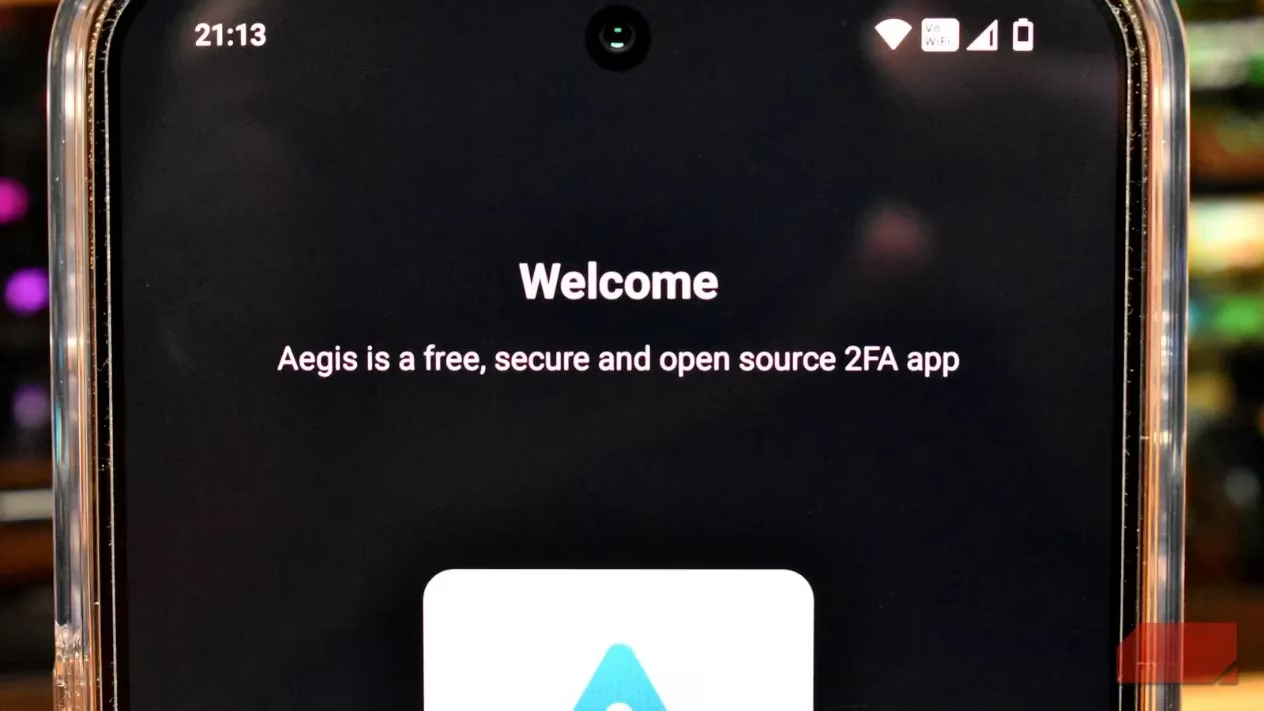
Traditional authenticators function like luxury apartments in guarded corporate skyscrapers – comfortable until management changes the locks. Google and Microsoft Authenticator tether your security seeds to their cloud ecosystems, creating invisible dependencies where backup processes unfold in server rooms you'll never access. Aegis Authenticator rewrites this power dynamic by constructing a cryptographic vault directly on your device. Each secret key gets sealed within AES-256-GCM encryption, with the decryption key behaving like a metaphysical artifact that never leaves your possession. This approach transforms your phone into a self-contained citadel rather than just another tenant in someone else's security complex.
Migration Without the Bureaucracy
Transferring 2FA access between devices often feels like navigating passport control during an airport meltdown. Mainstream solutions demand account resynchronization, phone verification dances, and trust in invisible cloud handshakes:
| Authenticator | Migration Process | User Control |
|---|---|---|
| Google Auth | Cloud sync via account | Low |
| Microsoft Auth | Microsoft account link | Medium-Low |
| Authy | Phone number required | Medium |
| Aegis | Encrypted file transfer | Absolute |
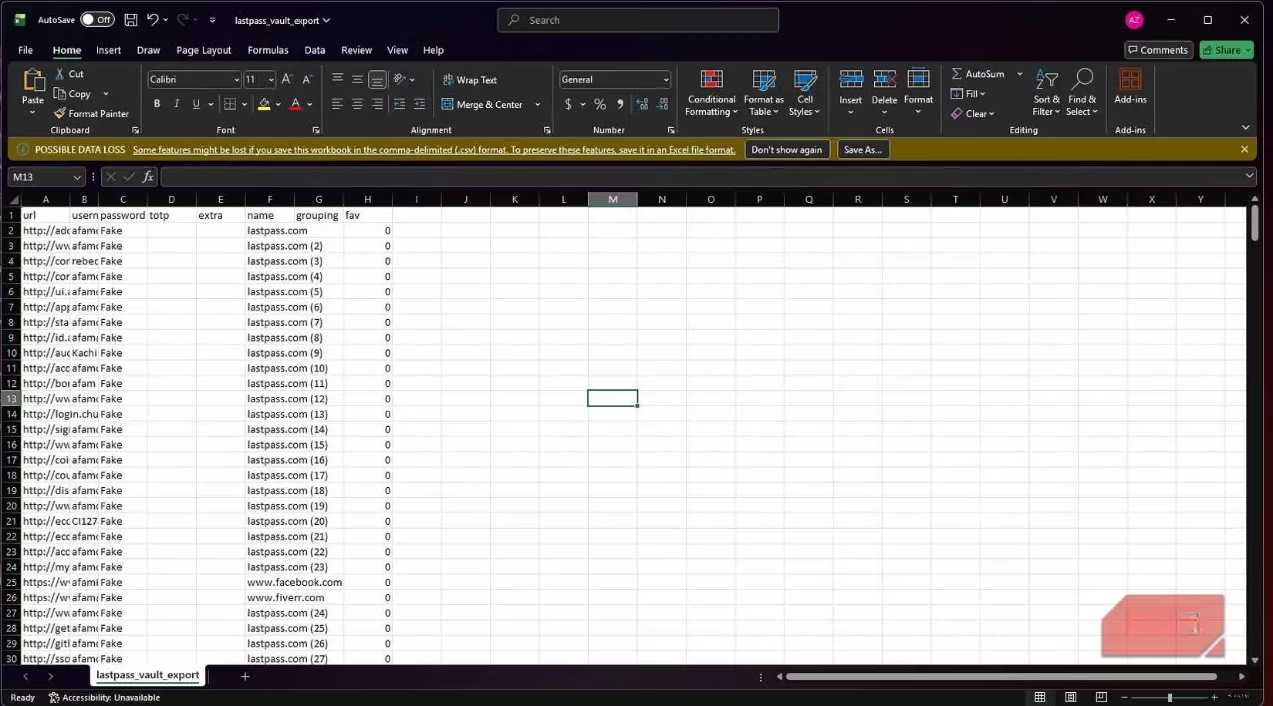
Aegis replaces these ceremonial handoffs with a single encrypted file – a digital skeleton key that fits in your pocket yet remains useless without your password. Restoring access requires no permission slips from tech overlords; just install the app, feed it your encrypted backup, and watch your authentication garden regrow from carefully preserved seeds. It's botany applied to cybersecurity.
Transparent by Design
Closed-source security applications operate like magician's boxes – you see the input and output but must blindly trust the mechanisms inside. Aegis demolishes this opacity with its fully visible GitHub repository where every encryption implementation and backup protocol undergoes communal scrutiny. Vulnerabilities get dissected in public rather than concealed behind corporate PR statements. This transparency transforms the app into a glass-bottom boat sailing through cryptographic waters, letting users observe every algorithmic creature swimming beneath their authentication ecosystem.
Practical Fortress Living
Security shouldn't demand monastic sacrifices:
-
🔍 Intuitive account grouping and search functions
-
⏳ Customizable lock timers balancing access and protection
-
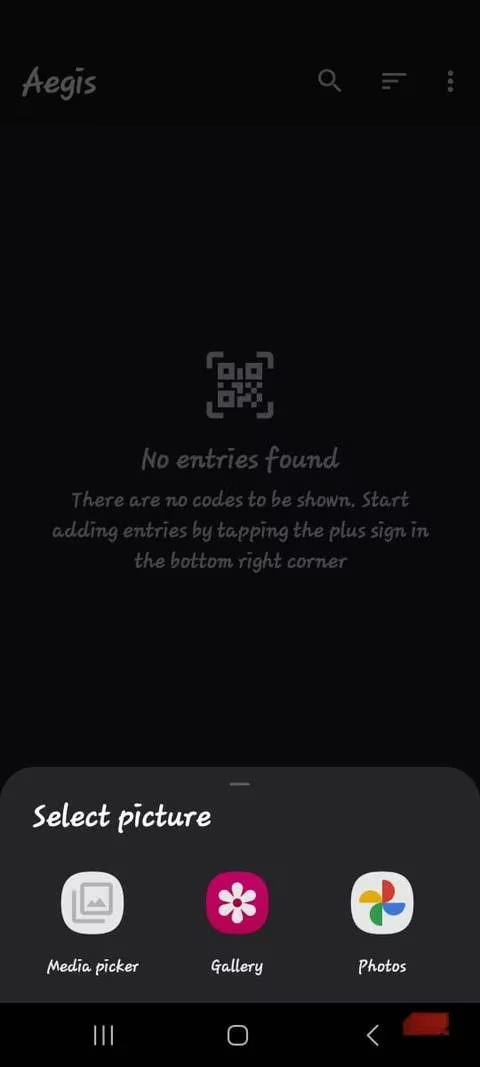
📸 QR scanning or manual entry flexibility
-
🔐 Biometric access without compromising encryption
Unlike hardware-key solutions requiring physical talismans, Aegis wraps enterprise-grade protection in everyday usability. The interface organizes accounts like a well-curated library rather than a scrambled junk drawer, proving that user sovereignty needn't sacrifice convenience at the altar of security.
The Philosophy of Ownership
Adopting Aegis represents more than just switching apps – it's joining the digital homesteading movement. While mainstream authenticators lease you security space in their high-rises, Aegis hands you the architectural plans and says "Build your own bastion." This philosophy resonates deeply in 2025 as users increasingly migrate from corporate clouds to self-hosted solutions. Managing your authentication vault becomes the logical extension of reclaiming digital autonomy, turning abstract security concepts into something as tangible as turning your own front door key. That glowing rectangle in your pocket? It's no longer just a device – it's sovereign territory.