
Why a 2020 Chipset Still Works: My Month with the Infinix XPAD GT
I'll be honest: when I first heard that the Infinix XPAD GT runs on the Snapdragon 888—a chipset from 2020—my instinct was to dismiss it. In 2026, we're surrounded by 3nm processors, on-device AI, and yearly flagship refreshes. Why would anyone use a five-year-old chip? But after spending over a month with this tablet, I've come to a surprising conclusion: for most people, the latest hardware simply doesn't matter as much as we think.
Let me set the stage. Qualcomm has rebranded its flagship chips twice since the Snapdragon 888 launched—first to the Snapdragon 8 Gen series, and now to the Snapdragon 8 Elite lineup. The latest Elite chips are built on a 3nm node, offering better performance and efficiency. The Snapdragon 888, by contrast, is a 5nm chip found in phones like the Samsung Galaxy S21 Ultra. On paper, it's ancient. In practice? I barely notice the difference.

The day-to-day reality
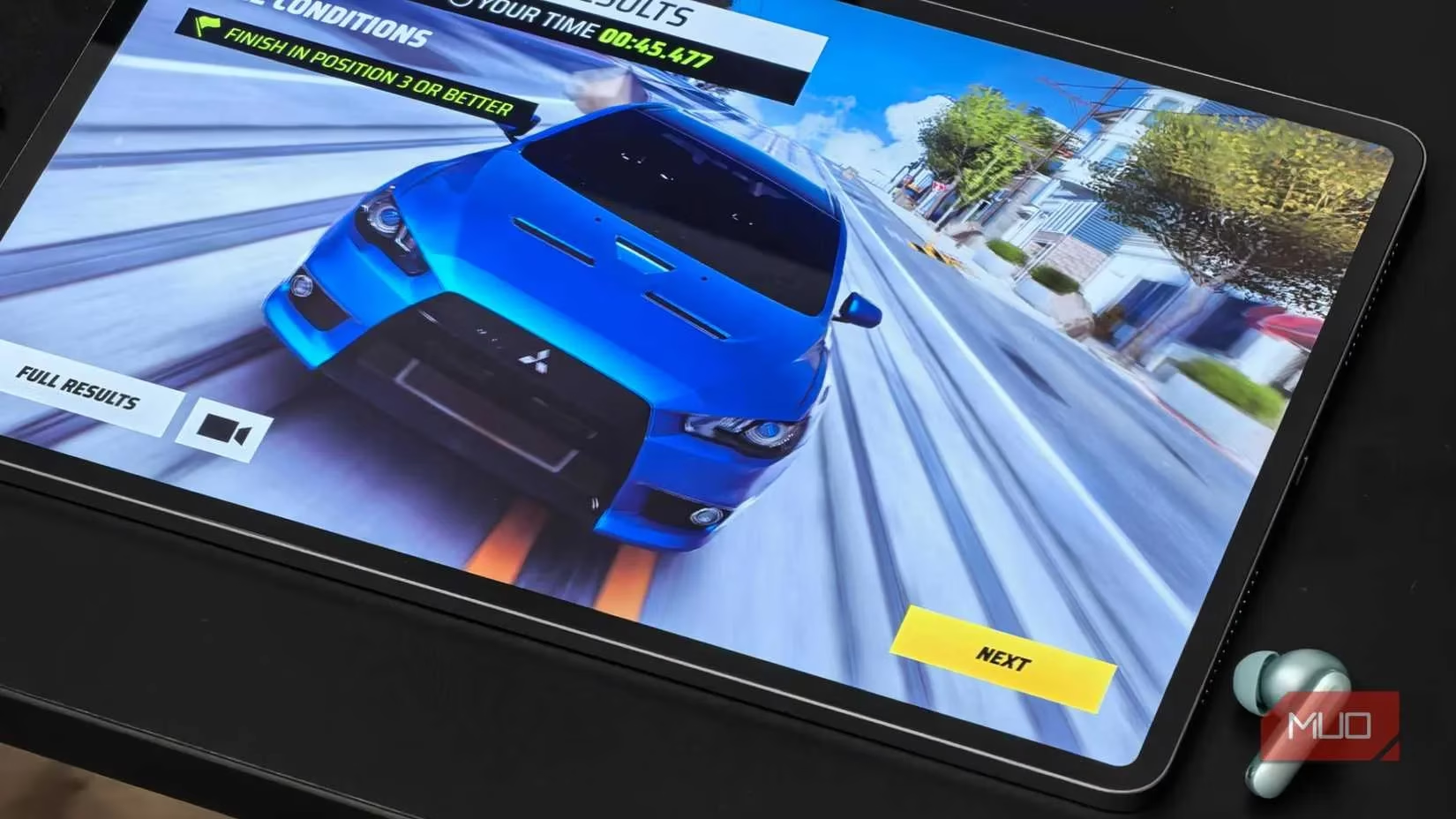
After a month of use, I've seen the XPAD GT stutter maybe once or twice. Apps open just as quickly as they do on my iPad. Multitasking is smooth. Even games like PUBG Mobile and Monument Valley run without major issues. Unless I'm specifically hunting for performance gaps, the experience feels no slower than today's mid-range tablets. Is that really so shocking? Most modern processors are optimized well enough that casual users won't notice the difference—especially on tablets, which aren't used as heavily as smartphones. I'm not taking calls, replying to emails, or doomscrolling all day. I'm streaming, reading, and playing light games. For those tasks, a flagship-tier chip from a few years ago still has plenty of power.
Software optimization beats raw specs
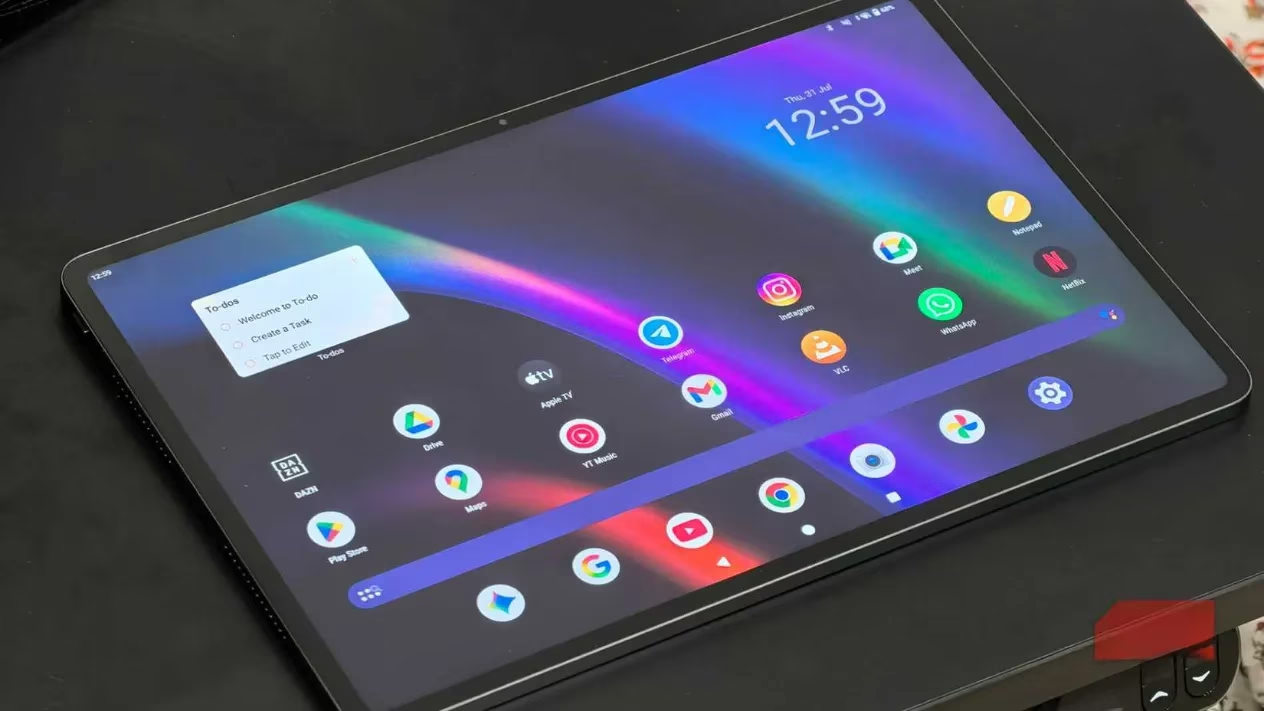
One of the biggest factors in any device's performance is software optimization. I love my Apple TV because its software is so well-tuned—it feels smooth and enjoyable despite its flaws. The same applies to tablets. Most competitors like Samsung and OnePlus use heavy Android skins that need extra optimization. Infinix, in contrast, chose a stock-like Android experience. With less bloatware and fewer layers to render, the XPAD GT runs smoothly even on older hardware.
It's running Android 14—two versions behind the latest release. But Android 14 is at its most stable point, and with minimal bloatware, I haven't had any noticeable issues. Will it show signs of age down the line? Possibly. But for now, it works.
What about the future?
Here's the thing: I'm not saying you should go out and buy a tablet with an old chip. There's a difference between recommending a device because it uses an older chip and recognizing when that older chip still gets the job done. I wouldn't tell everyone to hunt for a Snapdragon 888 in 2026, but I also don't think it's fair to say such a device has no value.
That said, if you can afford it, go for a tablet with a newer mid-range chipset. Those chips offer solid day-to-day performance, better efficiency, and support for modern on-device AI tasks—something older processors completely miss out on. You're also more likely to get longer software support when the chip is part of a newer generation.
My final takeaway
So, should you panic if your next tablet has a 2020 chipset? Not necessarily. For casual use—streaming, reading, light gaming—a flagship chip from a few years ago is more than enough. But don't ignore the benefits of newer mid-range silicon either. The real lesson here is that software optimization and realistic usage patterns matter far more than the number on a spec sheet. And that's something I wish more people would consider before dismissing a device outright.
Would I buy the XPAD GT for myself? Maybe not as my primary tablet, but I'd happily recommend it to someone who wants a capable, affordable device for everyday tasks. Sometimes, good enough really is good enough.